Aintree's Ongoing Safety Transformation
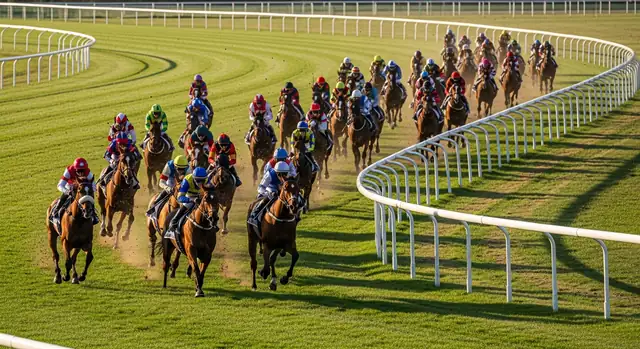
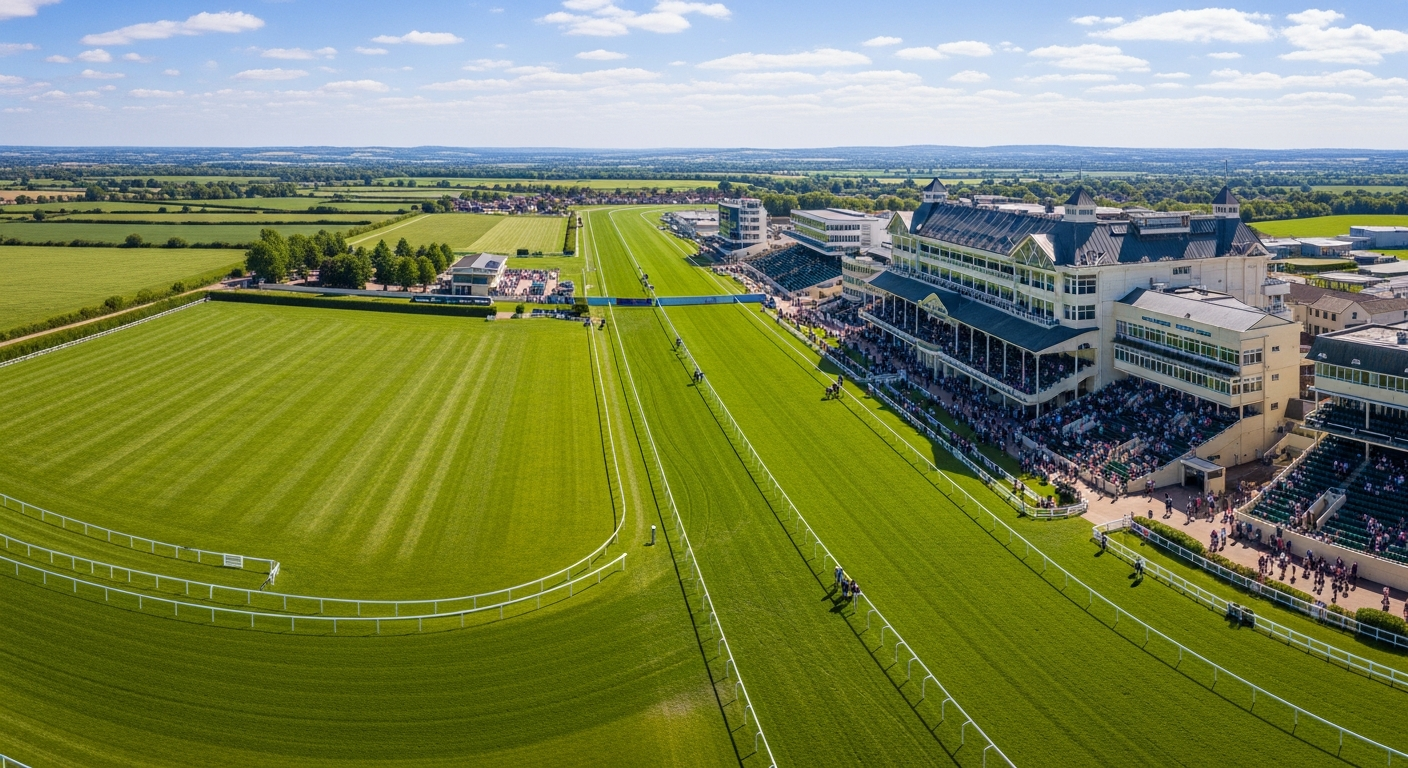
The Grand National has undergone more changes in the past decade than at any point in its 185-year history. The 2026 renewal, scheduled for Saturday April 11, represents the culmination of a multi-year safety programme that has fundamentally reshaped how the world's most famous steeplechase is run. The maximum field has been reduced from 40 to 34 runners, fence profiles have been softened with more forgiving cores, and the ground preparation team now uses GPS-guided moisture monitoring to ensure consistent footing across the four-mile-two-furlong course.
The changes follow extensive consultation between the British Horseracing Authority (BHA), the RSPCA, World Horse Welfare, and Aintree's own veterinary team. Data collected since 2013 shows a measurable improvement in completion rates and a reduction in serious injuries, though the debate around the race's future continues to evolve.
Fence Modifications: What Has Changed
Every one of the 30 fences on the Grand National course has been modified since 2012. The traditional rigid birch cores have been progressively replaced with more flexible materials, reducing the impact when horses hit the top of a fence. Becher's Brook, historically the most feared obstacle on the course, has had its landing side levelled three times. The drop on landing, which was once measured at over three feet, has been reduced to approximately 18 inches.
The Chair, the tallest fence on the course at 5 feet 2 inches, retains its imposing height but now features a wider ditch and softer birch. Canal Turn has been remodelled to encourage horses to take a wider line through the sharp left-hand bend, reducing the risk of fallers causing interference. The open ditch at fence 15, where the field crosses the Melling Road, has also been softened. All fences are now inspected by independent structural engineers before each meeting.
The 34-Runner Limit: Why It Matters
Prior to 2024, the Grand National regularly featured 40 runners, creating significant congestion at the early fences. Analysis of race footage showed that horses in the middle and outer of the field at the first fence were at measurably higher risk of interference falls. The reduction to 34 runners, implemented for the 2024 renewal and continued in 2025 and 2026, has reduced the density of the field at key pinch points.
The smaller field also means that horses can be more carefully vetted before the race. The BHA's pre-race veterinary panel now conducts full assessments of every runner in the week before the race, including treadmill evaluations and cardiac screening. Any horse that does not meet the fitness criteria is withdrawn. This process removed two horses from the 2025 field and three from the 2024 renewal.
Veterinary Protocols and Aftercare
Race-day veterinary coverage at Aintree now exceeds that of any other race meeting in the world. The Grand National features nine veterinary surgeons positioned around the course, with two mobile veterinary units capable of reaching any fence within 90 seconds. A fully equipped equine treatment centre operates on-site throughout the three-day festival.
Post-race aftercare has also been enhanced. Every runner in the Grand National undergoes a mandatory veterinary examination within two hours of the race finishing, regardless of whether they completed the course. Horses that fall or are pulled up receive enhanced monitoring for 72 hours. The Injured Jockeys Fund provides equivalent support for riders through the Oaksey House rehabilitation centres. Check our racecards for the full Grand National field once declarations are confirmed.
Ground Conditions and Course Preparation
Aintree's ground staff now use a network of 48 moisture sensors buried across the course to monitor going conditions in real time. The data feeds into a central dashboard that the clerk of the course uses to make watering and rolling decisions. The target going for the Grand National is Good to Soft, which provides enough cushion to protect joints while maintaining a safe, consistent surface.
In years where prolonged dry weather threatens to produce firm ground, Aintree has the capacity to apply over one million gallons of water to the course in the week before the race. Conversely, if heavy rain is forecast, the drainage system installed in 2018 can remove standing water within hours. Use our betting calculator to work out potential returns on your Grand National selections.